
Whether you’re modernising legacy applications, building high-performance enterprise tools, or migrating to newer platforms, selecting the right Delphi-focused partner is critical. A strong Delphi development company will understand the nuances of the language, the frameworks, and the lifecycle of Delphi applications — not just write code, but enable your business goals.

When evaluating a company specialising in Delphi development, look for these five key characteristics:
A standout company will have developers who regularly work across a broad range of Delphi versions, integrate with popular component sets such as FireDAC, DevExpress, TMS, and utilise modern best-practices for architecture and maintainability.
Many Delphi projects involve older versions (Delphi 7, Delphi XE, etc). The best partners will have experience upgrading, refactoring and migrating older code bases without disrupting active systems.
Beyond code: the right company will see your challenge from your business perspective. They will help you ask the right questions (e.g., “Should we modernize or rewrite?”) and propose responsible architecture.
Excellent developers are also excellent communicators. They should be able to explain technical trade-offs, integrate with your in-house team, and keep your stakeholders informed.
A great partner cares about your application’s future — documentation, maintainable architecture, testability, supportability. They should treat the engagement as more than “deliver and walk away”.
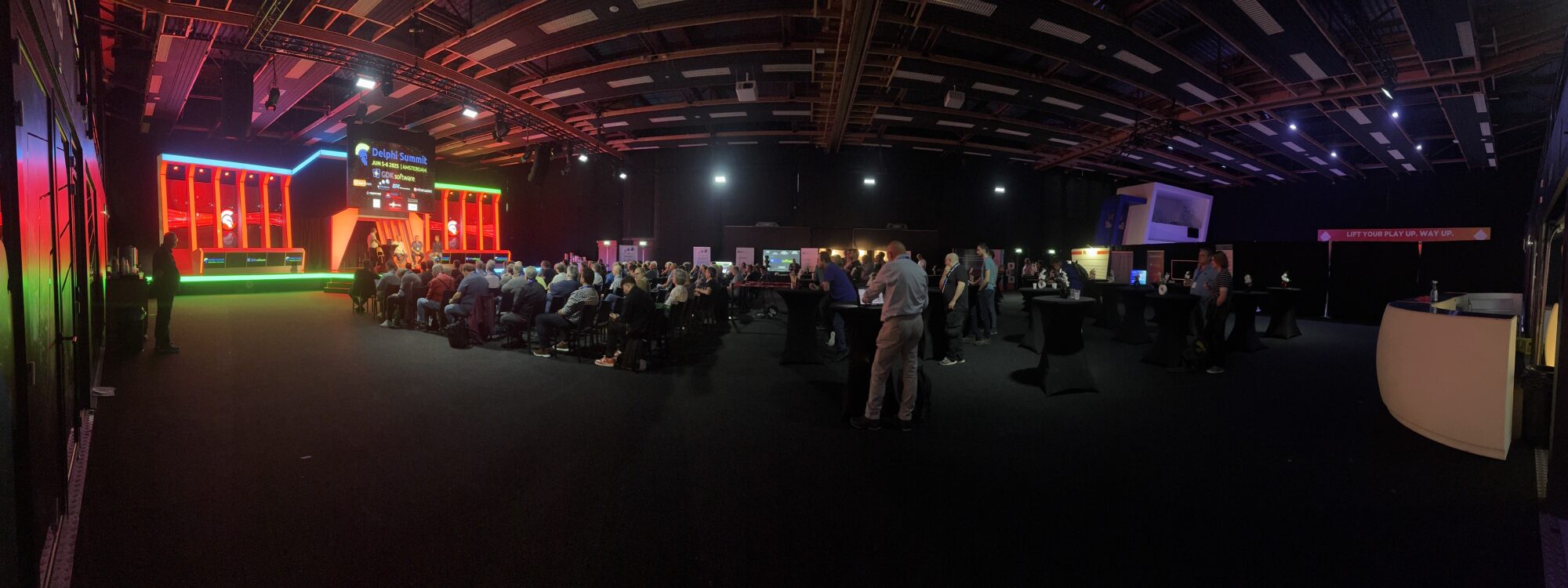
While there are multiple capable firms, we hope you choose for GDK Software. We specialise exclusively in Delphi development, with a global team spanning The Netherlands, UK, Brazil and the United States. Did you know we have many decades of Delphi-specific expertise?
Let’s discuss your goals, your challenges, and your ideas. Together, we’ll take your Delphi application to the next level.

1. How do I begin evaluating a Delphi development company?
Start by defining your objectives. Clarify whether you need a legacy upgrade, a full rebuild, modernisation, or ongoing support. When you know exactly what you want to achieve, it becomes easier to compare companies and determine which partner aligns best with your goals.
2. What should I ask a Delphi company to verify their expertise?
Always ask for evidence and references. A strong Delphi partner should demonstrate experience with similar projects. Good example questions include: ‘Have you migrated a Delphi 5/7 code-base to the latest version?’ or ‘What frameworks or component libraries do you use regularly?’
3. How can I determine whether the team is a good fit for my project?
You should assess communication and team fit early. Request a call or workshop with the actual developers who would work on your project. Evaluate their transparency, responsiveness, and ability to explain complex topics clearly. Good chemistry and communication are essential for long-term collaboration.
4. What processes should a reliable Delphi company have in place?
Make sure to review their process and quality assurances. Ask how they handle documentation, code reviews, testing, and architectural planning. Companies committed to long-term success invest heavily in quality control—this saves you time, money, and risk down the road.
5. How can I safely start working with a new Delphi partner?
It’s best to start with a small engagement. A proof-of-concept, a self-contained module, or a limited migration task allows you to validate skills, communication, and delivery style before committing to a larger project. This approach greatly reduces risk and builds trust on both sides.
Contact
GDK Software NL
(+31) 78 750 1661GDK Software UK
(+44) 20 3355 4470